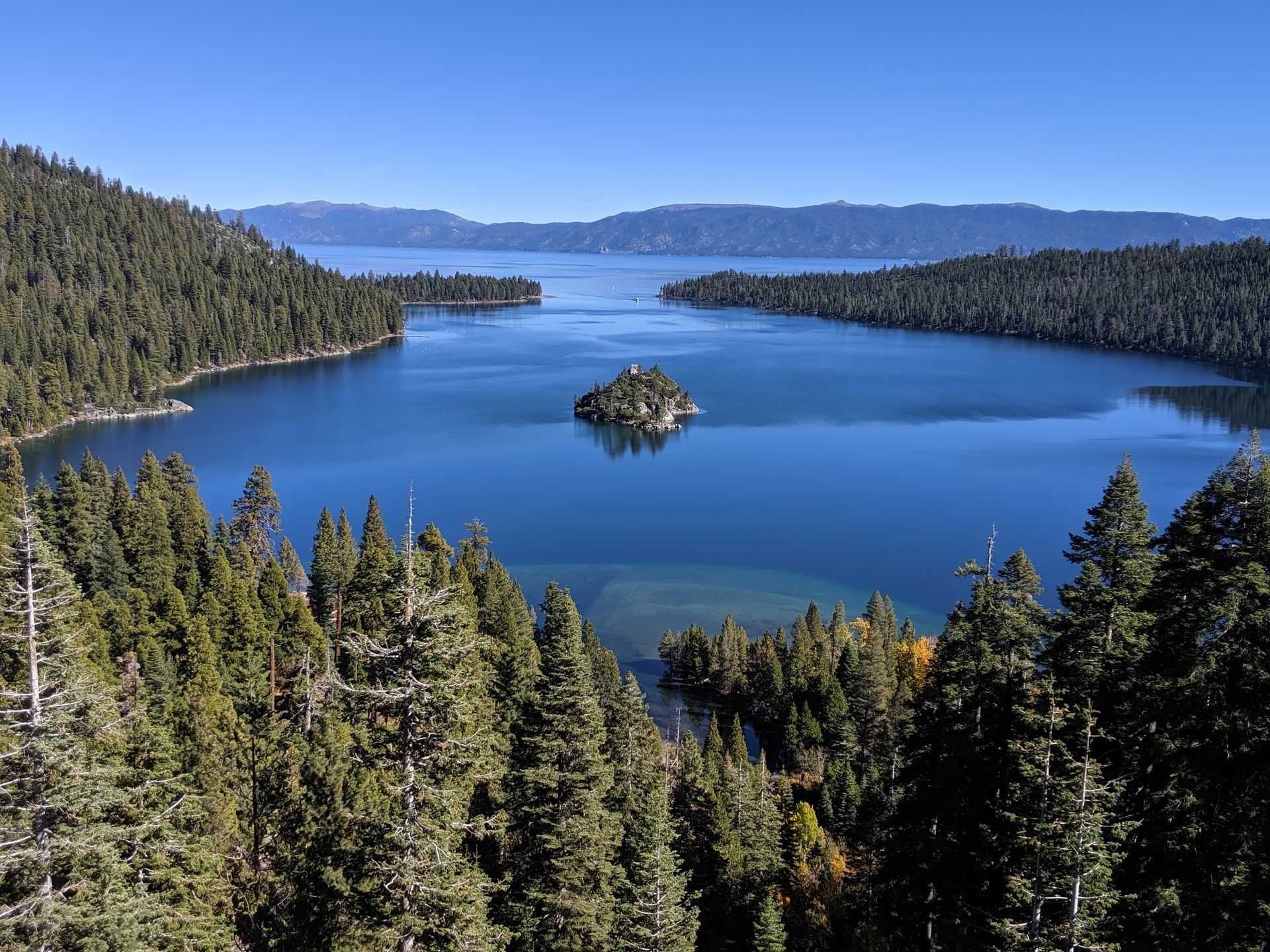
11 Fascinating Lake Tahoe Facts to Know Before Your Tour
From its extraordinary depth to its native fish, Lake Tahoe is full of stories that make every shoreline stop more meaningful.
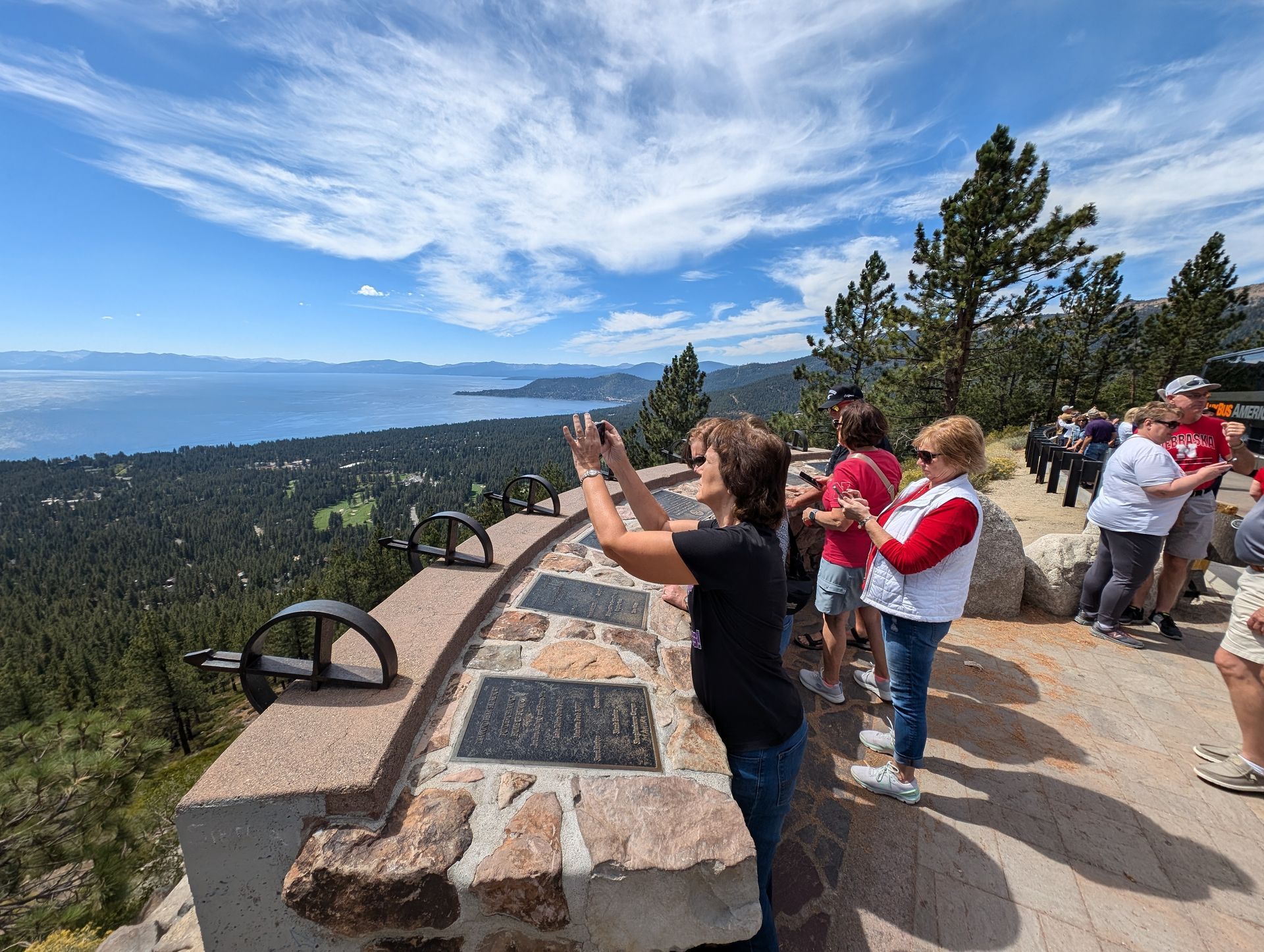
Lake Tahoe is more than a beautiful backdrop. Its depth, geology, water, wildlife, and mountain setting give every stop around the lake a story. Here are 11 verified facts to know before your visit.
1. IT IS THE SECOND-DEEPEST LAKE IN THE UNITED STATES
Lake Tahoe reaches a maximum depth of 1,645 feet. Only Oregon’s Crater Lake is deeper in the United States.
2. ITS AVERAGE DEPTH IS ABOUT 1,000 FEET
Tahoe is not only deep at one point. Its average depth is roughly 1,000 feet, which helps explain the lake’s immense volume and unusual character.
3. THE LAKE IS ABOUT 22 MILES LONG AND 12 MILES WIDE
Lake Tahoe covers about 191 square miles. Its shoreline is approximately 75 miles long, although the exact distance varies with lake level.
4. THE WATER SURFACE SITS HIGH IN THE SIERRA
The lake’s average surface elevation is about 6,225 feet above sea level. The surrounding Tahoe Basin rises even higher, with Freel Peak reaching 10,891 feet.
5. TAHOE HOLDS ABOUT 39 TRILLION GALLONS OF WATER
That extraordinary volume is one reason the lake feels so vast from every shoreline. Scientists estimate that, if emptied, it would take about 600 years to refill naturally.
6. ONLY ONE RIVER FLOWS OUT OF LAKE TAHOE
Dozens of streams feed the lake, but the Truckee River is its only outlet. It begins at Tahoe City, flows through Truckee and Reno, and ends at Pyramid Lake.
7. THE LAKE FORMED OVER MILLIONS OF YEARS
Lake Tahoe developed naturally over roughly three to four million years through faulting, volcanic activity, and glaciation. A dam at Tahoe City now regulates the upper portion of the lake level, so Tahoe is also managed as a reservoir.
8. ITS CLARITY IS STILL CLOSELY MEASURED
UC Davis researchers have monitored Tahoe continuously for decades. The lake’s average clarity was 69.2 feet in 2025, measured by lowering a white Secchi disk until it disappears from view.
9. EVEN EVAPORATION HAPPENS ON A HUGE SCALE
About half a billion gallons can evaporate from Lake Tahoe on an average day. UC Davis notes that this amount would meet the daily water needs of roughly five million Americans.
10. THE TAHOE WATERSHED IS LARGER THAN THE LAKE
The Lake Tahoe Basin covers about 312 square miles. Snowmelt, forests, meadows, streams, roads, and communities throughout that watershed all influence the water that reaches the lake.
11. LAHONTAN CUTTHROAT TROUT ARE TAHOE’S NATIVE TROUT
The Lahontan cutthroat is the only trout native to the Tahoe Basin and the world’s largest cutthroat trout species. After disappearing from Lake Tahoe in the twentieth century, this threatened fish has become the focus of a major restoration and stocking effort.
SEE THE STORIES BEHIND THE SCENERY
The most memorable Lake Tahoe facts are even better when you can connect them to the places where they happened. Around Tahoe Tours brings local history, scenery, and regional character together on public, private, custom, and step-on guided experiences.
Call 775-345-5966 or email info@aroundtahoe.com to plan your Lake Tahoe tour.
Sources: UC Davis Tahoe Environmental Research Center and the U.S. Fish & Wildlife Service.